
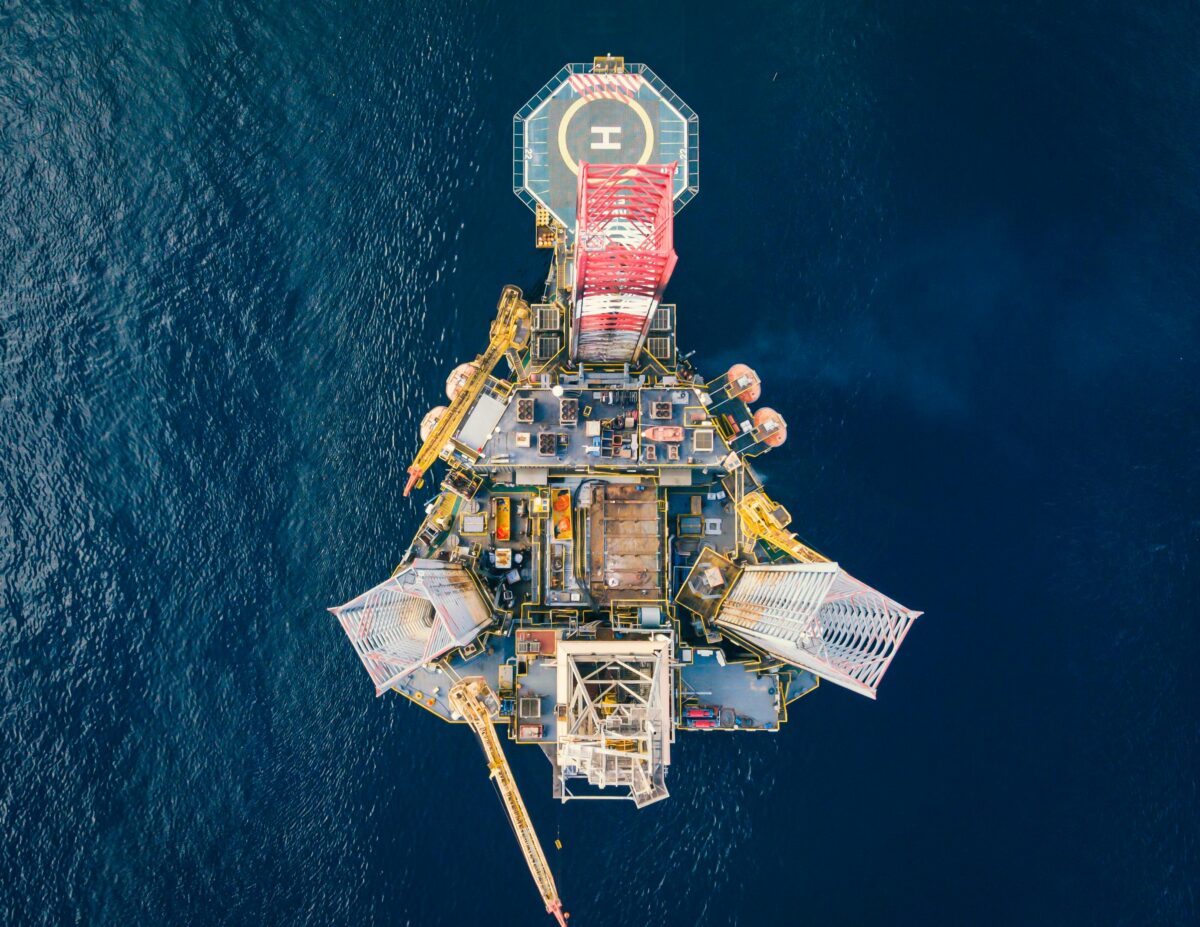
Amidst the ongoing crisis in the Persian Gulf, India’s high dependency on external crude oil has been a topic of discussion, with the nation importing approximately 90% of its crude oil, requiring about 5 million barrels or 80 crore litres per day to keep the country going.
Strategic reserves aside, how does a nation that consumes this much crude manage its needs in the long-term? What are some strategies that can be employed to reduce import dependence? And does anyone in the Indian economy stand to gain when global shocks drive crude oil prices higher?
How India can reduce dependency on crude imports
Given how much crude oil India imports, geopolitical shocks are particularly important. There are a few strategies that can help India reduce its dependency on crude imports.
- Boost domestic production: One option that has been given an impetus by the Ministry of Petroleum and Natural Gas is boosting exploration in offshore basins and marginal fields. The government has opened new exploration areas under the Open Acreage Licensing Policy (OALP) to attract investment. This allows companies to select blocks for exploration and bid for them at any time, aimed at increasing domestic oil and gas production.
- Biofuel blending: India is increasing ethanol blending in petrol (substituting a portion of petrol with domestically produced biofuel), and advanced its ethanol blending target to 20% by 2025-26, aiming to reduce crude oil imports and support energy security.
- Expand renewables: The government has ambitious plans to hit a target of generating 500GW (gigawatts) by 2030. To expand renewables and reduce dependence on imported crude, India has rolled out a mix of investment incentives, manufacturing support, and grid infrastructure.
- EV transition: India is also promoting electric vehicles through subsidies and policy support. The government’s FAME scheme (Faster Adoption and Manufacturing of Electric Vehicles) which incentivises EV adoption to reduce fossil fuel consumption.
Who can help solve the problem and who may stand to gain
Geopolitical tensions in the Gulf tend to hit sectors that consume large amounts of fuel like airlines and logistics which face margin pressure, while oil producers and oilfield service companies tend to benefit. Oil exploration and production firms, which extract crude oil, typically see higher realisations and improved profitability when prices rise, like Oil and Natural Gas Corporation (ONGC) and Oil India Limited.
Higher prices also tend to spur additional drilling and exploration activity, which boosts demand for oilfield services companies that provide services such as drilling, seismic exploration, offshore rigs, and well support. Offshore drilling companies can also benefit as higher crude prices make previously uneconomical offshore projects viable again, increasing demand for their drilling rigs and offshore exploration services.
Smallcap players in oil exploration and drilling
Here are a few smallcap companies that are involved in the exploration and drilling space and may see activity in the days and months ahead.
Deep Industries (market cap 2220 cr as of publishing date): The company provides gas compression and drilling services, workover operations, and gas dehydration, along with integrated project management solutions. Higher exploration activity can boost demand.
Selan Exploration Technology (market cap 1933 cr as of publishing date): SETL is engaged in the exploration and production of oil and gas in India. It was among the first companies to secure development rights for three discovered oilfields in Gujarat — Bakrol, Lohar and Karjisan. The company produces crude oil and natural gas, selling crude to refineries and supplying gas to nearby industries. Crude prices are linked to global benchmarks.
HOEC (market cap 1920 cr as of publishing date): HOEC or Hindustan Oil Exploration Company is engaged in the exploration, development and production of crude oil and natural gas in India, both onshore and offshore. It is India’s first private E&P (exploration and production) company, and has assets spread across Tamil Nadu, Maharashtra, Gujarat, Assam and Arunachal Pradesh.
Jindal Drilling (market cap 1539 cr as of publishing date): The company provides offshore drilling rigs to oil companies and related oilfield services. Its offerings include offshore drilling operations, directional and horizontal drilling, measurement-while-drilling (MWD) systems that provide real-time data on well trajectory, and mud logging services that analyse rock samples to detect the presence of oil and gas.
Aban Offshore (market cap 151 cr as of publishing date): Aban is an offshore drilling contractor. And provides offshore drilling and production services for oil and gas exploration and development. It owns and operates seven offshore drilling rigs, drillships, and a floating production facility, Tahara.
India’s heavy dependence on imported crude leaves the economy exposed to global price shocks and geopolitical disruptions. Reducing this will require a combination of strategies, from boosting domestic exploration, and expanding renewable energy capacity to strengthening supply chains. While renewable energy can gradually reduce long-term reliance on fossil fuels, the higher oil prices in the near term may benefit upstream and oilfield service companies that support exploration and production.
Sources
45-Day Warning: How long before India’s oil tanks run dry if Hormuz shuts? – The Economic Times
Steps by government to reduce import dependency on crude oil | IBEF
Why India’s reliance on imported oil may hit fresh full-year high in FY26