
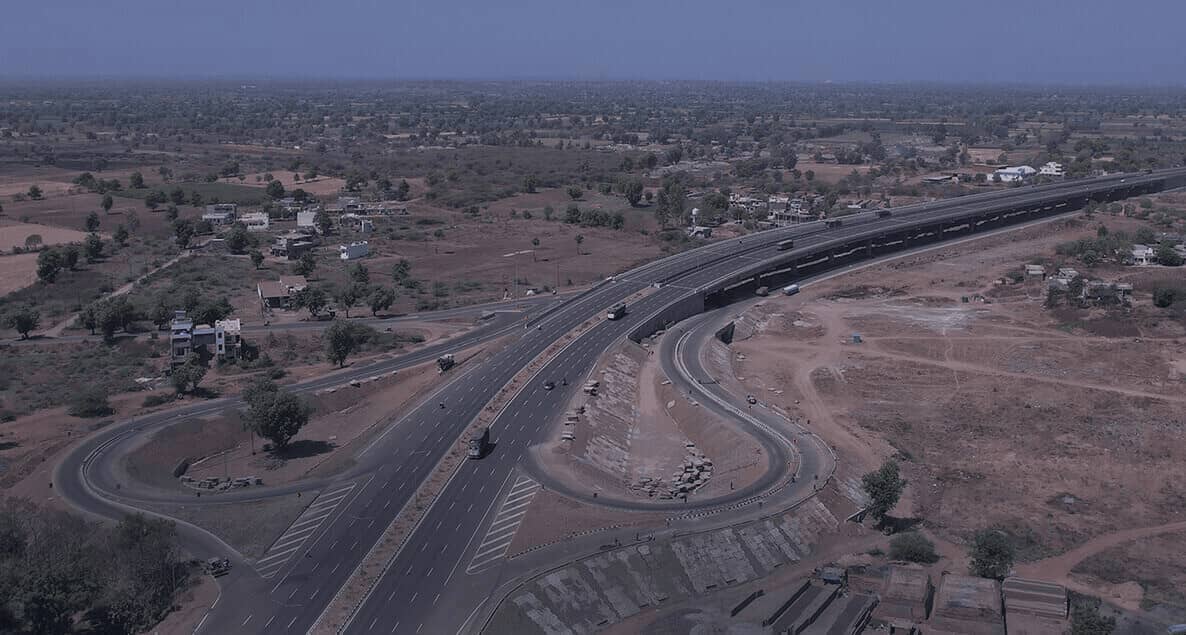
Welspun Enterprises Limited (WEL) has received a Letter of Award (LoA) from the Maharashtra State Infrastructure Development Corporation Limited (MSIDC) for the development of a six-lane partially elevated highway corridor on the Pune–Shirur section of NH-753F in Maharashtra.
The project, valued at approximately ₹7,300 crore, will be executed under the Design, Build, Finance, Operate and Transfer (DBFOT) Toll model with a total concession period of 29 years, including a four-year construction phase.
The highway corridor will cover the stretch from Km 10+600 to Km 64+000, with a minimum design length of 53.40 km. The project is expected to improve connectivity across rapidly developing economic zones including Wagholi, Kharadi, Lonikand, Ranjangaon and Shikrapur, while easing congestion and reducing travel time between Pune and Shirur.
According to the company, the project is being implemented by MSIDC on behalf of the Government of Maharashtra and the Ministry of Road Transport and Highways (MoRTH). Following the award, WEL’s consolidated order book has risen to approximately ₹18,755 crore, excluding execution completed during the fourth quarter of FY26. The order pipeline includes around ₹10,813 crore from the water vertical, ₹1,791 crore from tunnelling projects and approximately ₹6,152 crore from the transportation segment, including the newly awarded Pune–Shirur project.
Commenting on the development, B.K. Goenka, Chairman of Welspun World, said infrastructure projects such as the Pune–Shirur corridor would play a crucial role in strengthening regional economic growth and connectivity.
“The Company’s consistent execution track record of delivering complex infrastructure projects is being recognised by clients and the Company is moving in the right direction of creating sustainable value for all its stakeholders and the Country,” Goenka said.
Sandeep Garg, Managing Director of WEL, said the project would improve revenue visibility and further diversify the company’s infrastructure portfolio across water, tunnelling and transportation sectors.