
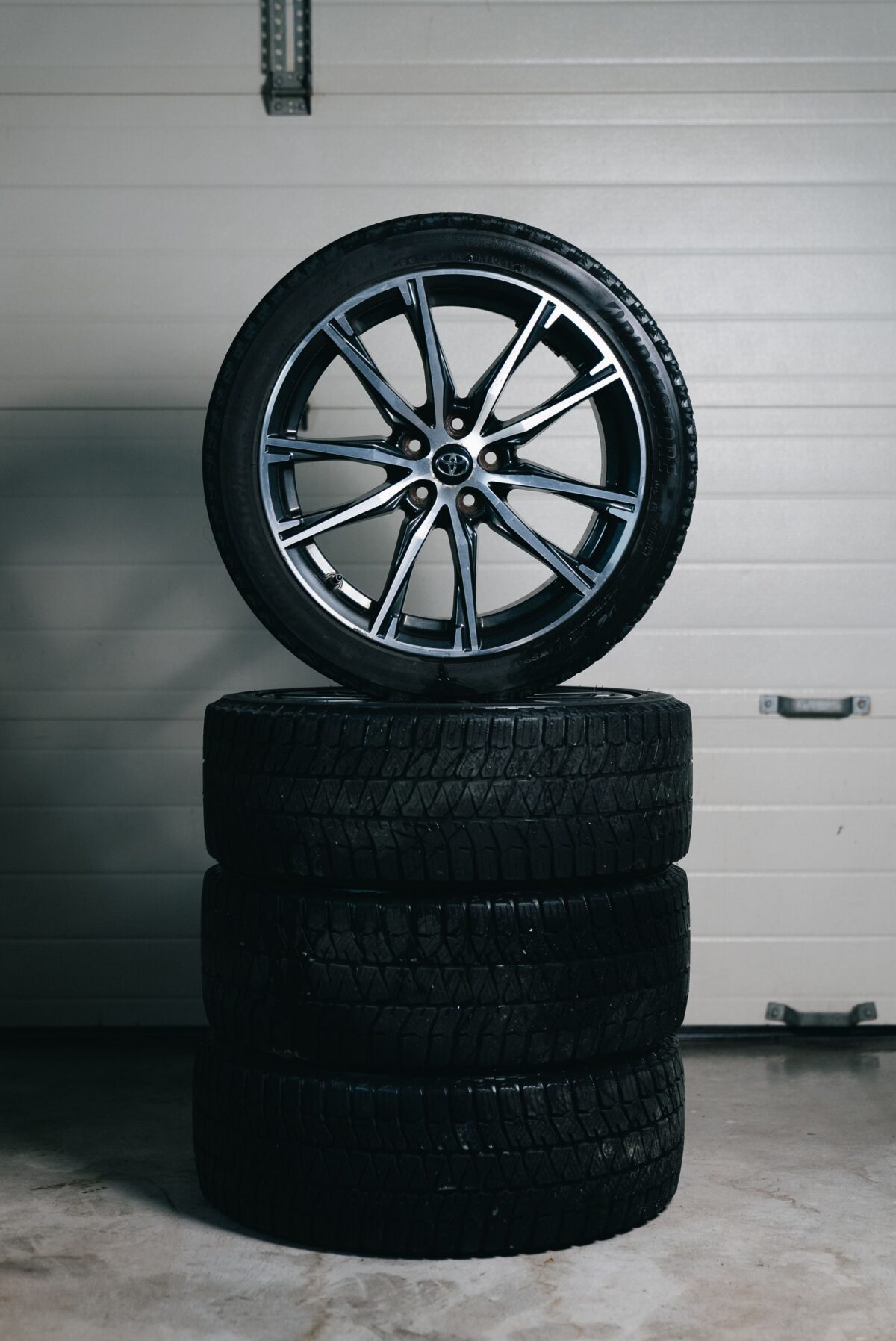
In Part 1, we looked at why India’s tyre industry is increasingly becoming a replacement story rather than just a new vehicle sales story. With nearly 390 million registered vehicles on Indian roads, every vehicle sold today creates years of recurring tyre replacement demand in the future. But the opportunity doesn’t stop with tyre manufacturers.
Every tyre that gets replaced creates demand downstream in the value chain. Used tyres enter the recycling ecosystem, reclaimed rubber is converted into industrial raw material, and specialist tyre manufacturers catering to two-wheelers and off-highway vehicles benefit from an expanding customer base. The tyre replacement economy, therefore, extends well beyond the major tyre companies manufacturing passenger car tyres.
Who benefits beyond tyre manufacturers?
Rather than viewing tyre replacement as a single industry, it is useful to think of it as an ecosystem. As replacement volumes rise, beneficiaries broadly fall into three categories:
- Specialist tyre manufacturers: Companies focused on two-wheelers, three-wheelers and off-highway vehicles, where replacement cycles can differ materially from passenger cars.
- Reclaimed rubber manufacturers: Businesses that recycle end-of-life tyres into reclaimed rubber used in manufacturing new tyres and industrial rubber products.
- Circular economy and recycling companies: Companies that convert discarded tyres into crumb rubber, rubber compounds and other value-added materials used across industries including roads, infrastructure and industrial products. Each replacement tyre creates demand across this ecosystem, making these businesses indirect beneficiaries of India’s growing vehicle population.
Smallcaps that stand to benefit
Here are three small caps that may gain in the long run from the growing tyre replacement economy in India.
TVS Srichakra: While TVS Srichakra, which manufactures tyres under its Eurogrip brand, is not really an “ancillary” beneficiary, but we include it here because the company doesn’t make passenger vehicle tyres, but specialises in two-wheeler, three-wheeler and off-highway tyres (OHT). Srichakra caters to both OEMs and aftermarket segments. India is the largest two-wheeler market in the world, with motorcycles and scooters forming the bulk of vehicles on Indian roads. Two-wheelers generally replace tyres more frequently than passenger vehicles because of higher daily usage, poor road conditions, and relatively lower replacement costs. As India’s installed base of motorcycles and scooters continues to grow, TVS Srichakra could become an increasingly important beneficiary of recurring replacement demand.
BKT: Balkrishna Industries or BKT is one of the world’s leading manufacturers of off-highway tyres (OHT), catering to specialised applications across agriculture, construction, mining, earthmoving, industrial, ports and ATV segments. Unlike conventional tyre manufacturers focused on passenger vehicles, BKT operates in a niche where tyres are designed for heavy-duty equipment. While the company derives a significant share of its revenue from exports, replacement demand remains an important driver as off-highway tyres undergo more wear and tear due to their demanding operating conditions, requiring periodic replacement. To support future growth, BKT is undertaking a capital expenditure of up to ₹1,300 crore to expand its off-highway tyre manufacturing facility at Bhuj by 35,000 metric tonnes per annum (MTPA), with completion targeted by the end of FY2025-26.
GRP Ltd: GRP is a proper ancillary to the tyre industry. Established in 1974, the company manufactures reclaimed rubber from used tyres, upscaled polyamide from nylon waste, and engineered products which are die-cut from end-of- life tyres. The reclaimed rubber business contributes to approximately 89% of its revenue, and involves recycling end-of-life tyres, tubes, and rubber waste into reclaimed rubber, which is then used in industries like tyre manufacturing as a substitute for virgin (new) rubber. As replacement tyre volumes increase, so does the availability of discarded tyres, which are the primary raw material for companies like GRP. In other words, more tyre replacements potentially translate into a larger pool of recyclable material, strengthening the supply ecosystem for reclaimed rubber. And, as circular economy initiatives gain more importance, recycled rubber could also see increasing acceptance across multiple industries, making GRP an indirect beneficiary of India’s tyre replacement cycle.
Tinna Rubber and Infrastructure: Tina Rubber and Infrastructure Ltd was established in 1977 and converts of End of Life Tyres (ELT) into crumb rubber, (elastic rubber particles), crumb rubber modifier (finer recycled rubber crumbs), crumb rubber modified bitumen, polymer modified bitumen (asphalt binders), bitumen emulsion, reclaimed rubber, ultrafine crumb rubber compound, and cut wire shots. These products are primarily used in road construction, tyre manufacturing, and the auto parts industry. A large chunk of their business comes from the infrastructure segment, through CRMB, bitumen emulsion, and rubberised bitumen which is used for road construction. Tinna’s business model is intertwined with the tyre replacement industry because discarded tyres form the raw material and stands to gain in a downstream capacity from rising replacement volumes and an increasing focus on sustainability and resource efficiency. As replacement demand grows over time, Tinna could benefit from both higher scrap tyre availability and greater adoption of recycled rubber products.
Driving towards more growth
When discussing the tyre industry, the attention usually gravitates towards large manufacturers. But as we can see, every replacement tyre is supported by a much broader ecosystem, like specialist two-wheeler and OHT tyre manufacturers, end-of-life tyre recyclers and reclaimed rubber producers, all of whom stand to benefit from a growing installed vehicle base.
As India’s vehicle population continues to grow, the replacement economy may ]become even more important — not only for tyre manufacturers, but also for the ancillary businesses that help keep this ecosystem running. The replacement story, therefore, extends well beyond tyres themselves, creating a long-term opportunity across multiple listed companies that operate behind the scenes.
Sources
Enhancing Circular Economy of Waste Tyres in India
https://www.eurogriptyres.com/about-eurogrip?utm_
GRP Ltd share price | About GRP | Key Insights – Screener
GRP LIMITED Mumbai,, India | About Us
Tinna Rubber & Infrastructure Ltd share price
Balkrishna Industries Limited Annual Report 2024-25