
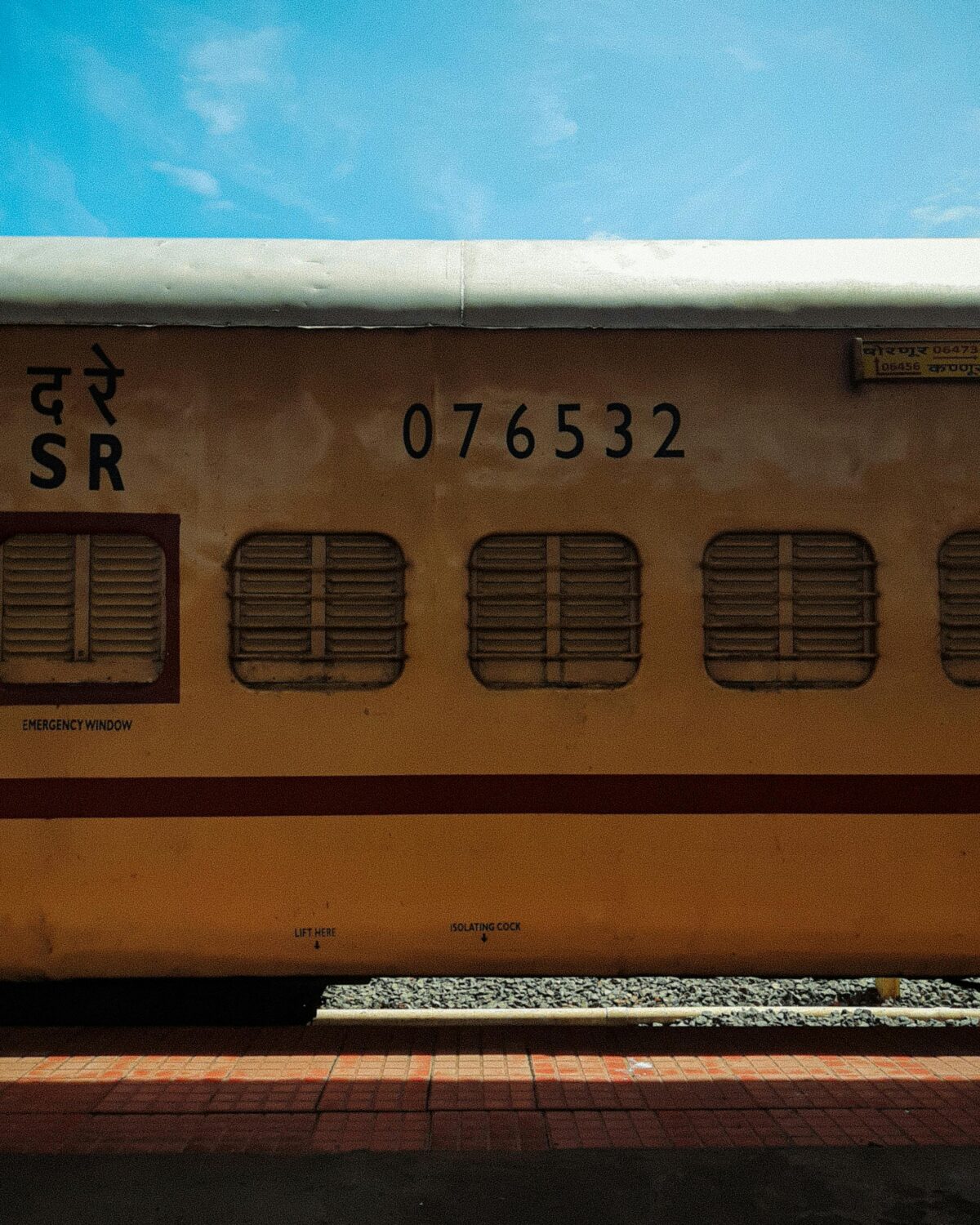
India operates one of the world’s largest railway networks, with the Indian Railways system serving as a critical backbone for freight transportation, logistics, passenger travel, and regional connectivity. Over the last few years, railways have increasingly become a major infrastructure priority for the government and this is reflected in increased capital expenditure (capex) allocations in successive Union Budgets.
The Union Budget 2025 and the latest Union Budget 2026 continued this trend, with the government maintaining a strong focus on expanding freight capacity, improving railway safety, modernising stations, and accelerating electrification and signalling upgrades. Railway capex has remained around or above the ₹2.5 lakh crore mark, indicating a long-term commitment toward infrastructure-led growth. Railway suppliers and ancillary companies are witnessing burgeoning order books and potential down-the-line revenue
growth, and many of these beneficiaries happen to be smallcap companies.
What Indian Railways is spending on
Here’s a closer look at what the Indian Railways is spending on and what they are upgrading.
- Wagons and freight capacity: Freight transportation remains one of Indian Railways’ largest revenue generators, and capacity expansion continues to be a major priority. The government is pushing for higher freight movement through rail to reduce logistics costs, improve efficiency, and support industrial growth. Industry estimates suggest annual wagon demand could remain in the range of 30,000–40,000 wagons, supported not only by Indian Railways orders but also by rising participation from private-sector freight operators. This has created strong visibility for wagon manufacturers and suppliers across the ecosystem. In addition to wagon manufacturing, spending is also flowing toward freight corridors, rail infrastructure upgrades, castings, wheelsets, and related engineering components.
- Signalling and safety (Kavach): Railway safety spending has become an increasingly important policy focus, with the government emphasising on modernising train protection systems. One of the biggest opportunities in this segment is the rollout of the indigenous Kavach automatic train protection system. Kavach is designed to improve railway safety by helping prevent collisions, overspeeding, and signal-passing incidents.
The rollout is creating opportunities across several segments including railway signalling systems, telecom and communication infrastructure, safety electronics, onboard train protection systems, and monitoring technologies. According to estimates, the Kavach opportunity alone could be worth approximately ₹45,000 crore over time. Companies with specialised signalling and safety expertise are therefore emerging as differentiated beneficiaries within the railway ecosystem.
- Station redevelopment and infrastructure: Indian Railways is also investing heavily in station redevelopment and broader railway infrastructure upgrades. Modernisation projects are increasingly transforming railway stations into integrated transit and commercial hubs. Spending in this segment includes EPC and civil construction, passenger infrastructure upgrades, electrical and energy systems, platform redevelopment and smart station systems. These projects are creating opportunities not just for large EPC players but also for specialised engineering and electrical companies that are part of the railway ecosystem. As station redevelopment pipelines expand, railway EPC order books across listed companies have also seen meaningful growth.
Smallcaps benefitting
Several listed smallcaps are emerging as direct beneficiaries of the railway capex cycle due to their exposure to wagons, signalling systems, safety technologies, rolling stock, and rail infrastructure.
Texmaco Rail & Engineering: Texmaco Rail & Engineering has exposure across multiple railway-linked segments including wagon manufacturing, railway EPC projects, and freight rail infrastructure. The company is viewed as a major beneficiary of the ongoing wagon ordering cycle and freight infrastructure expansion.
Order book and recent developments: Sector reports and company disclosures indicate that Texmaco’s order book stood at ₹7,053 crore as of June 30, 2025, hinting at strong visibility for future execution. Contracts from Indian Railways include traction transformers, wagon manufacturing, and maintenance.
Jupiter Wagons: Jupiter Wagons is considered one of the direct beneficiaries of the wagon capex cycle due to its exposure to freight wagons, railway components, private freight ecosystem growth and manufacturing capacity expansion. The company has also been expanding its production capabilities aggressively to cater to rising industry demand.
Order book and recent developments: Industry research reports suggest Jupiter Wagons’ order book has crossed approximately ₹6000 crore, supported by strong wagon demand and investment in freight infrastructure.
HBL Engineering: HBL is viewed as one of the key listed beneficiaries of the Kavach opportunity due to its exposure to railway signalling systems, safety electronics, and Kavach implementation. Unlike wagon manufacturers, HBL’s expertise lies in higher-margin technology and railway safety solutions.
Order book and recent developments: The company received a ₹180 crore order in April 2026 from Banaras Locomotive Works for Kavach Version 4.0, reinforcing its expanding role in railway safety systems. The order goes beyond equipment supply and includes testing and commissioning. As railway safety spending increases, HBL’s specialised technology positioning could help it benefit from the broader modernisation cycle.
Titagarh Rail Systems: Titagarh Rail Systems is one of the larger beneficiaries of railway rolling stock spending with exposure to freight wagons, passenger rail systems, metro coaches and rolling stock manufacturing.
Order book and recent developments: Titagarh has continued receiving strong order inflows across both freight and passenger rail segments and as of March 2026, the order book stands at₹13,955 crores, led by the passenger or freight rail systems. The company’s diversified exposure across wagons, metros, and passenger mobility solutions gives it broader exposure to railway modernisation schemes.
Kernex Microsystems (India): Kernex is a smaller pure-play railway safety systems company with exposure to signalling, Kavach-led opportunities and safety monitoring systems. Its niche positioning has made it one of the frequently discussed smaller names in the railway safety segment.
Order book and recent developments: As of September 30, 2025, the company’s order book stood at ₹2,563 crore. However, the order pipeline IS concentrated, with a single ₹1,730 crore contract from Chittaranjan Locomotive Works for the supply and installation of 2,500 Loco TCAS (Version 4.0) units accounting for a significant share of the backlog. As the Kavach rollout expands, smaller specialised signalling companies like Kernex will likely be closely monitored.
India’s railway modernisation push appears to be evolving into a long-duration infrastructure theme supported by sustained government capex, freight expansion needs, safety upgrades, and station redevelopment initiatives. While execution risks and policy changes will remain factors to monitor, the broader railway ecosystem is increasingly emerging as an important structural theme within India’s infrastructure and manufacturing sector.
Sources
Business Today: Budget 2026: Railway stocks Kernex, Titagarh, BEML, HBL may benefit from capex push
Indian Railways to invest ₹13 lakh crore by 2030
Trendlyne: Chart of the week: Capex surge puts order books of railway companies on the fast track
ET: Railway stocks zoom up to 7% on capex push hopes ahead of Budget presentation
PIB: Kavach – The Shield of Safety
PIB: Deployment of ‘kavach’ system in railways