
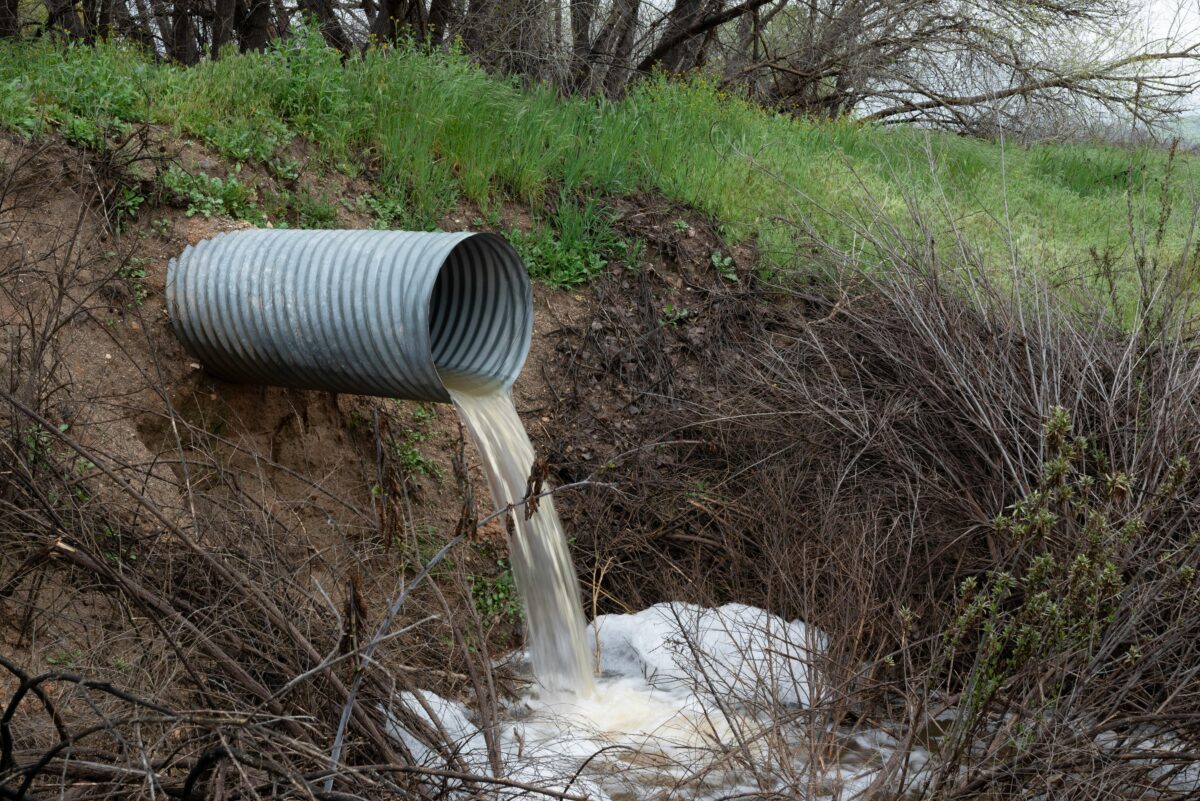
Water is a resource that most urban Indians take for granted. And we use tonnes of it every single day. According to data from 2021, urban India generates a massive 72 million litres per day (MLD) of sewage, but the current installed capacity to treat that wastewater is only roughly 32 MLD. That’s a gap of approximately 40 million litres per day that goes untreated — meaning it flows into our rivers, lakes and groundwater systems.
The situation has been aggravated by several structural factors:
- Rapid urbanisation and population growth
- Falling groundwater tables across several regions
- Climate change and variability in rainfall patterns
- Rising industrial water consumption
- Increasing environmental regulation and pollution-control requirements
All these issues combined have created the need for more investment in wastewater treatment, recycling and water-management infrastructure.
We will be examining this story in two parts: the first explores the macro opportunity and policy tailwinds driving wastewater infrastructure spending, while the second evaluates select listed companies that could benefit from this emerging theme
Why wastewater is going to be in focus in the years ahead
The wastewater treatment sector will be increasingly in focus because of two key factors: the sewage treatment gap and policy tailwinds from the government.
The sewage treatment gap: India’s wastewater treatment infrastructure remains significantly underdeveloped relative to the volume of sewage generated. According to the Ministry of Jal Shakti, cities and towns in India generate approximately 72,368 MLD of sewage daily. The installed sewage treatment capacity is approximately 31,841 MLD. Studies estimate that only around 28% of wastewater is effectively treated, with the balance discharged into rivers, lakes and groundwater systems. Bridging this gap — which is a significant one — requires substantial investment in treatment facilities, sewerage networks, pumping infrastructure and recycling systems.
Government policy tailwinds: The government has launched multiple programmes that are focused on improving water availability, wastewater treatment and environmental sustainability. The Jal Jeevan Mission launched in 2019 aims to provide functional tap water connections to every rural household in India. While the main focus is on access to clean drinking water, the programme has accelerated investment in water supply, treatment and distribution infrastructure across India.
AMRUT or the Atal Mission for Rejuvenation and Urban Transformation focused on improving urban infrastructure, including water supply, sewerage networks and sewage treatment facilities. The scheme has become one of the primary funding channels for municipal water and wastewater projects.
The Namami Gange programme seeks to reduce pollution and improve water quality across the Ganga basin. A major component of the initiative involves construction and operation of sewage treatment plants and wastewater infrastructure. In addition, several states have launched independent river rejuvenation and wastewater-management programmes that complement the centre’s initiatives.
The Central Pollution Control Board has also swung into action in a major way. Industries are being encouraged to recycle and reuse treated wastewater rather than relying solely on freshwater sources. Regulators are also promoting Zero Liquid Discharge systems in sectors such as chemicals, pharmaceuticals and textiles. These systems require advanced treatment technologies that allow wastewater to be reused within industrial facilities.
Taken together, these initiatives create a long-term pipeline of projects spanning municipal and industrial wastewater infrastructure.
The infrastructure India needs
Addressing India’s wastewater challenge requires investment across the entire water-management value chain, as the country works to bridge its treatment deficit and improve water security.
- Sewage Treatment Plants or STPs: These facilities treat municipal sewage before it is discharged or reused. STPs are expected to remain the largest area of wastewater investment over the next decade.
- Effluent Treatment Plants or ETPs: ETPs are used by industries to treat contaminated wastewater before discharge or reuse, helping companies comply with increasingly stringent environmental regulations.
- Desalination plants: Coastal states are increasingly exploring desalination projects to enhance water security and reduce dependence on traditional freshwater sources, creating additional sources of water for human use.
- Water recycling facilities: As freshwater availability becomes increasingly constrained, treated wastewater is expected to become an important alternative source for industrial and municipal users.
- Recycled water distribution networks: Treating wastewater is only part of the solution. Dedicated infrastructure is needed to transport recycled water to industrial clusters, power plants and municipalities.
- Operations and maintenance (O&M) Infrastructure: Water treatment assets require long-term operation and maintenance support, creating recurring revenue opportunities beyond the initial construction phase.
Different companies participate at different points in this value chain. From technology providers and treatment specialists to EPC contractors and operators, a wide range of businesses are positioned to benefit from this structural shift.
In the next part of this story, we take a closer look at three listed companies: VA Tech Wabag, EMS Limited and Enviro Infra Engineers, to understand what they do, where they fit within the wastewater value chain, and how they could potentially benefit from India’s growing focus on wastewater treatment and water reuse.
Sources
PIB – Ministry of Jal Shakti: Sewage Water Treatment
IndiaSpend: Why India Needs To Urgently Rehaul Sewage Treatment Plans
Capacity of India’s Sewage Treatment Plants
India Water Portal: Urban wastewater management system in India
Urban Wastewater Scenario in India
Water Reuse & Sustainable Financing for India’s Water Crisis | CEEW