
Summer brings with it distinct cyclical consumption trends—from travel and holidays to ice cream and beverages. At the same time, rising temperatures drive demand for essentials such as cooling solutions, water access, higher electricity consumption, and rural infrastructure. In this series, we explore three key summer-linked themes emerging within the smallcap space:
- Agro irrigation and water pumps
- Air conditioners and cooling products
- Power backup and related equipment
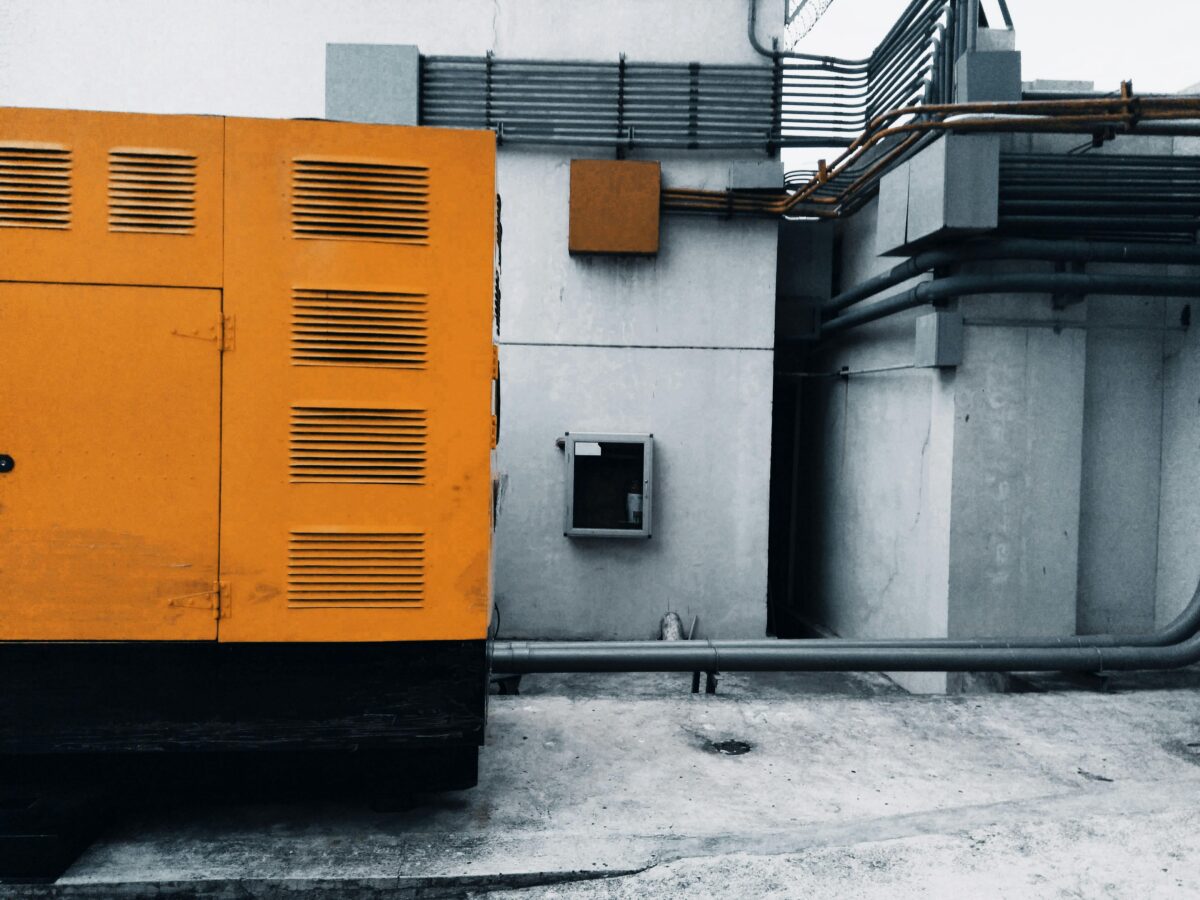
In the last article, we focused on ACs and cooling products. In the final part of this series, we’re looking at power backup and energy storage companies, increasingly a must-have in homes as electricity shortages and power outages increase during the heat.
Overview of India’s power backup industry
A report from Research and Markets indicates that India’s inverter battery market size was valued at approximately $1 billion in 2025 and is projected to grow to nearly $1.5 billion by 2031, expanding at a CAGR (Compounded Annual Growth Rate) of 6.69%. (Inverter batteries are rechargeable energy storage systems used with inverters to provide backup power during electricity outages.)
A different report on India’s power inverter market size from Market Research states that the segment was worth $5.5 billion in 2024 and projected to grow at a CAGR of 15% between 2025-2034 to reach nearly $ 22.3 billion. The power backup ecosystem, however, spans multiple categories, beyond just inverters and batteries. This includes:
- Home inverters and inverter batteries
- UPS systems
- Voltage stabilisers
- Diesel generators
- Solar-hybrid backup systems
- Industrial and telecom backup solutions
Historically, the industry was dominated by lead-acid battery-based residential backup systems. However, the sector is gradually evolving toward lithium-ion storage, solar-integrated backup solutions, smart energy management systems (software and other products and systems that manage how electricity is used, stored and supplied), and commercial and industrial energy storage (large-scale battery-based electricity storage solutions). The segment remains highly relevant in the summer cyclicals segment because even as electrification improves, power reliability issues persist in many regions, particularly during summer peak-load periods.
Also, today, with India’s expanding digital economy, the need for backup extends beyond homes and commercial establishments, creating newer demand avenues for UPS and backup systems across data centres, telecom and IT infrastructure, SMEs and healthcare facilities. Government MSME documentation on the inverter industry explicitly notes that inverter demand typically peaks during the summer season.
What drives demand higher
There are several demand triggers.
- Summer power demand spikes: This is the most visible cyclical trigger. As temperatures rise, electricity consumption increases sharply because of heavier AC and cooling usage. Grid stress often leads to local outages and voltage instability, especially in regions with weaker infrastructure. This directly boosts demand for inverters, batteries, UPS systems, voltage stabilisers and generators. For many households and small businesses, uninterrupted power becomes a necessity rather than a convenience during peak summer months.
- Increased appliance penetration and usage: India’s rising middle-class consumption is also supporting the sector. As households increasingly purchase air conditioners, refrigerators, televisions, laptops, computers and Wi-Fi systems, the need for reliable electricity backup rises simultaneously. This trend is especially visible in Tier-2 and Tier-3 cities, where appliance ownership is increasing faster than improvements in grid reliability.
- Grid issues: Despite major progress in electrification, several regions continue to experience voltage fluctuations, short-duration outages and peak summer shortages. This creates steady demand for home UPS systems, batteries and stabilisers, particularly in semi-urban and rural markets. Replacement demand also remains important because inverter batteries require periodic replacement every few years, creating recurring aftermarket revenue opportunities for established brands and distribution networks.
- Solar and hybrid backup adoption: The industry is also transitioning from traditional backup systems toward integrated energy solutions. This includes solar-hybrid inverters, residential energy storage, lithium-ion battery systems and smart backup management. As rooftop solar adoption increases, backup power and energy storage are increasingly converging into a single ecosystem. That transition could benefit companies positioned beyond traditional lead-acid inverter markets.
- Data centres and digital infrastructure: A newer driver for the industry is India’s digital infrastructure buildout. UPS and backup systems are increasingly critical for data centres, telecom towers, cloud infrastructure, hospitals and financial services. As India’s digital economy expands, uninterrupted power becomes critical, supporting demand for higher-end backup solutions and industrial battery systems.
Smallcaps in focus
While large established companies like Exide, Amara Raja and V-Guard continue to dominate segments of the power backup market, a number of smaller listed companies are positioning themselves around emerging opportunities within the sector. These include residential inverters, industrial batteries, UPS systems, solar-hybrid backup solutions and energy storage technologies.
- HBL Engineering: Unlike single-segment residential inverter companies, HBL has a technology-oriented positioning with exposure to industrial batteries, backup power solutions and specialised power electronics applications across sectors such as infrastructure and railways. The company’s presence in industrial and mission-critical power backup systems like telecom towers, data centres, utilities, oil and gas infrastructure and industrial DC backup systems, where uninterrupted power supply and battery reliability are essential, gives it exposure beyond the traditional household inverter market.
- Genus Power Infrastructures: Genus Power has historically operated across inverters and power backup systems, but the company is now increasingly associated with smart metering and power infrastructure. The company offers High-End Multifunction Single Phase and Three Phase Meters, CT Operated Meters and HES (Head End System) and other smart metering solutions. Its relevance to the summer cyclical theme comes from residential inverter ecosystem exposure, a strong distribution network, and reach presence in semi-urban and rural markets. The company’s broader exposure to power infrastructure also provides an additional long-term growth angle as India modernises electricity distribution systems.
- Servotech Renewable Power System: Servotech represents an emerging company in this segment, positioned at the intersection of power backup, renewables, and energy transition. The company operates across solar products, UPS systems, inverters, energy storage solutions and EV charging infrastructure. Servotech combines traditional power backup demand with solarisation trends and a growing EV infrastructure sector, and it has highlighted clean energy and power-backup solutions as focus areas.
Power backup demand has historically been viewed as a seasonal summer trade linked to heatwaves and power outages. But the sector is increasingly evolving into something much larger. Increased appliance ownership, growing digital infrastructure, expanding solar adoption and need for reliable electricity are creating a multi-year structural opportunity across energy storage and backup systems. And companies linked to the power backup ecosystem remain worth watching, not just for seasonal demand spikes, but for their role in India’s broader energy transition story.
Sources
Astute Analytica: India UPS Market
Technavio: India UPS Market Size 2026-2030
HBL Engineering Ltd share price
Genus Meter: An Effective and Instant Electricity Meter Solution