
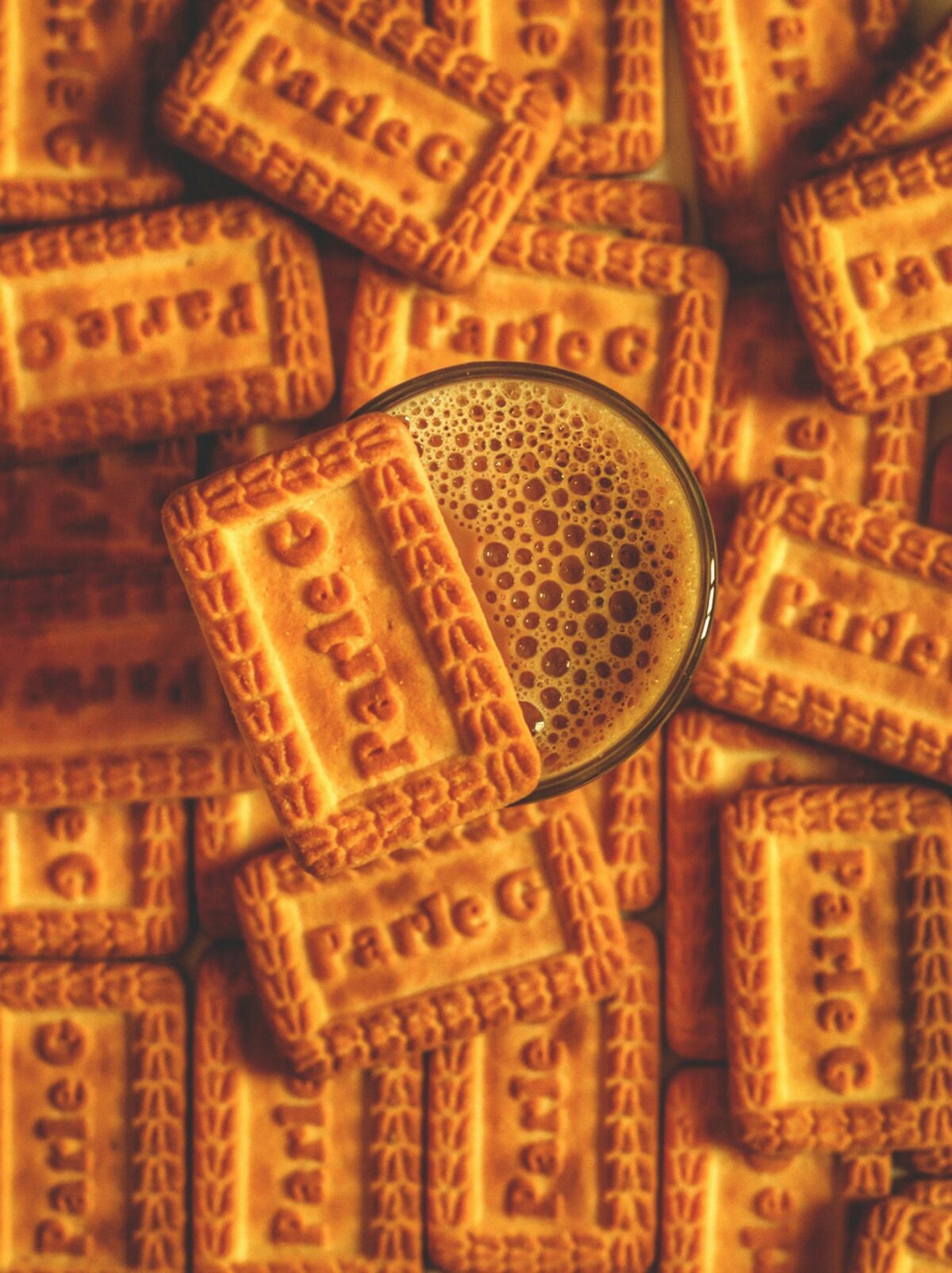
India has one brand that is recognised anywhere in the country: Parle-G biscuits. The humble glucose biscuit, with its unmistakable red-and-yellow packaging with the “Parle-G baby,” has been around for decades and remained accessible to the masses, from school lunchboxes and railway journeys to tea stalls and rural kirana stores.
Now, nearly a century after it first entered Indian households, the company behind Parle-G may be preparing for a new chapter: Parle Products is reportedly exploring a potential IPO, a move that could bring one of India’s most enduring family-owned consumer brands to the stock market for the first time.
Potential IPO details
According to sources cited by CNBC-TV18, Parle Products, the maker of the iconic Parle-G biscuit, is reportedly exploring a potential initial public offering. The Mumbai-based company has initiated preliminary discussions with several investment banks, including Kotak Mahindra Bank, JM Financial, and Axis Bank, though the talks remain at an early stage.
According to the report, sources indicate that the proposed IPO could be entirely secondary in nature, meaning existing shareholders would sell part of their holdings while the company would not raise fresh capital. In FY25, Parle Products reported total income of around ₹16,191 crore, placing it close to listed rival Britannia Industries, which reported revenue of ₹17,943 crore. A public listing would, for the first time, bring India’s two largest biscuit makers in direct comparison on the stock market.
Parle-G is the flagship product of the parent company Parle Products, which has other popular biscuit and candy brands like KrackJack, Hide & Seek, Monaco, Melody, and Mango Bite in its portfolio. The company was founded in 1929 by the Chauhan family and remains 100% promoter-owned and led by the third generation as of 2026. Here’s a closer look at their nearly 100-year-old journey.
Parle-G’s origins in swadeshi confectionary and candies: 1928-30
The roots of Parle Products go back to 1928, when Mohanlal Dayal Chauhan founded the House of Parle. The Chauhan family set up a small confectionery business in Mumbai’s Vile Parle neighbourhood (hence the name). The first factory was set up in 1929 with just 12 people making confectionery. At the time, the Indian food market was heavily dominated by imported British products, and domestic manufacturing in packaged foods remained limited. The company initially produced candies and sweets, but it soon identified a larger opportunity in biscuits, a category then controlled largely by foreign brands.
The birth of the glucose biscuit: 1931-40
The business grew during the 1930s and in 1939, Parle entered the biscuit market with “Parle Gluco,” a glucose biscuit designed to provide affordable nourishment to Indian consumers. Simple, inexpensive, and easy to distribute, the biscuit quickly found acceptance among middle- and lower-income households. India’s independence movement and the rise of swadeshi sentiment gave Parle an important advantage: as Indians moved away from dependence on imported British goods after 1947, consumers increasingly embraced local brands. Parle positioned itself as an Indian alternative to foreign biscuit makers and this alignment with national sentiment helped the brand resonate among all ages.
Building and expanding: 1942-80
Over the next few decades, Parle-G grew through a strategy that now appears remarkably simple but highly effective: low prices, massive distribution, and consistent branding.
The company focused on affordability above all else. Rather than chasing premium positioning, it targeted India’s vast mass market with low-priced packs that could be purchased daily. This approach helped the brand penetrate deeply into both urban and rural markets. In parallel, Parle built one of the country’s widest distribution networks. Its biscuits became available across millions of retail outlets, from large city stores to small roadside kiranas in remote villages.
The company’s commitment to consistency played a key role as well. The familiar yellow packaging featuring the iconic child illustration changed very little over the years, helping create instant brand recognition across generations. By the 1970s and 1980s, Parle-G had become a default tea-time companion in Indian homes across income categories. This period also saw the launch of other popular snacks and confectionery like Monaco, Cheeslings, Poppins, Kismi, and Krackjack.
Rebranding to Parle-G and diversifying: 1981 and beyond
Originally launched as “Parle Gluco,” the biscuit underwent a key rebranding exercise in the 1980s and was renamed “Parle-G.” The “G” initially stood for glucose, reflecting the biscuit’s positioning as an energy-giving food product. Over time, however, the company reframed the branding with the tagline “G for Genius,” giving the product a more modern and aspirational identity.
This rebranding initiative came at a time when competition in India’s biscuit industry was intensifying, and it helped refresh the brand without fundamentally altering the product consumers had grown up with.
Over the years, the original Parle business evolved into separate entities operating across different consumer categories. Parle Products continued focusing on biscuits and confectionery, while Parle Agro emerged as a beverages company known for brands such as Frooti and Appy. Bisleri International, another major packaged water company, also traces its roots to the broader Parle ecosystem. Despite the group’s diversification, Parle-G remained its defining consumer brand.
Through the 80s, 90s and 2000s, Parle Products introduced several more iconic candies and biscuits, including classic and milk rusk, Melody toffee, Hide & Seek chocolate chip biscuits, and other flavoured biscuits like 20-20, Magix, and Mazelo, all at affordable price points.
Why Parle-G has endured
The longevity of Parle-G lies in a combination of factors that align closely with India’s economic realities. Affordability ensured accessibility across income groups. A deep distribution network allowed the brand to reach even the smallest markets. Product consistency built trust over generations and cultural familiarity transformed the biscuit from a commodity into a household staple. Even during the COVID-19 lockdown, Parle-G recorded its strongest sales growth in decades as consumers stocked up on affordable packaged foods and relief agencies distributed their biscuits widely among migrant workers and low-income families. The company said March, April and May of 2020 were among its best-performing months in over eight decades, with Parle-G accounting for nearly 80–90% of the company’s market share gains during the period. Its low price point of just 5 rupees, long shelf life, and wide availability made it a staple during the crisis.
However, rising inflation in raw materials after the pandemic — particularly wheat, sugar, and edible oil — put pressure on margins. To preserve its crucial 5-rupee packs, Parle adopted the common FMCG strategy of “shrinkflation”: instead of increasing prices on smaller SKUs, it reduced grammage while keeping the price points of ₹2 and ₹5 intact. The company also implemented selective price hikes across larger packs and premium products.
What’s next?
From a modest confectionery unit in 1929 to one of the most recognisable biscuit brands in the world, Parle-G’s success reflects the enduring power of simplicity executed at scale. While no official statements have been made yet, a successful IPO could mark the next chapter in Parle-G’s journey — transforming one of India’s most iconic family-run consumer businesses into a public market story tied to the future of the country’s mass consumption economy.
Sources
Exclusive | Parle-G biscuit maker in talks with banks for potential IPO, sources say – CNBC TV18
Parle-G: The humble biscuit that became the taste of India – The Economic Times
ET: Parle Products hikes biscuit prices by 5-10 per cent as input cost soars