
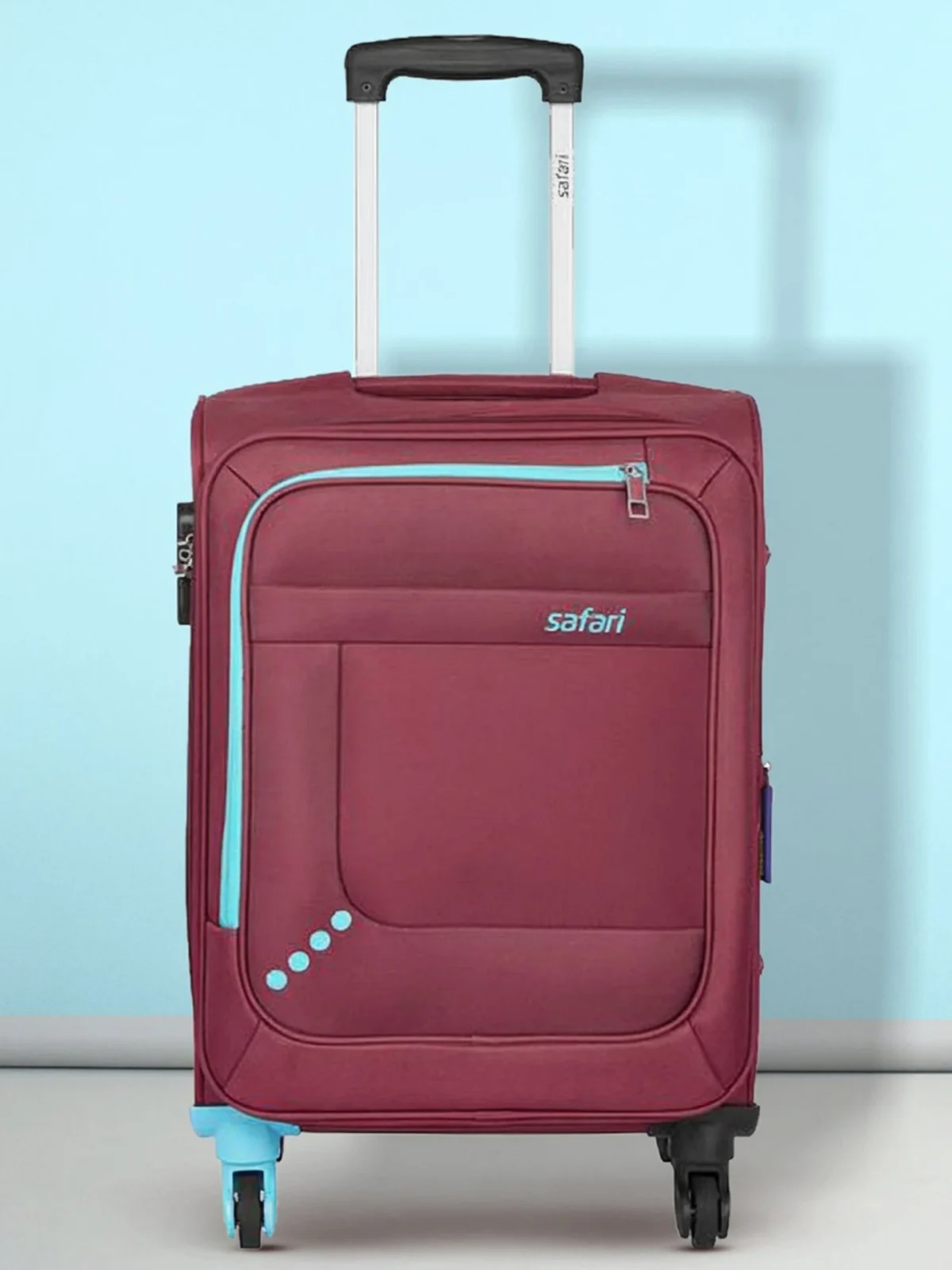
Luggage is now no longer just a necessity or functional travel accessory: more and more manufacturers are marrying form with function and manufacturing suitcases and bags that are designed well, and look good, as consumers choose branded luggage over unbranded.
And one company stands out: Safari Industries. From pandemic-era losses to becoming one of India’s fastest-growing luggage brands, Safari’s journey reflects the rise of affordable aspiration in India. Once a distant-second to luggage giant VIP, the company saw considerable growth from 2022 onwards, touching profits of over 100 crores by FY25. Here’s a look at their journey.
Safari: Origins, COVID disruption, and recovery
Safari Industries is one of India’s older organised luggage brands, with a presence across suitcases, backpacks and travel accessories. The company traces its roots back to 1974, when the Safari brand was founded by Sudhir Jatia. Over the years, Safari built recognition as an affordable travel brand catering to India’s growing middle class.
2011 was a big year for the company, when it was acquired by the Jatia family-led promoters and subsequently repositioned to compete more aggressively in the organised luggage market. (The current owner Sudhir Jatia is the former MD of rival luggage brand VIP). Since then, Safari has expanded its distribution footprint across general trade, retail chains and e-commerce with a portfolio that spans hard luggage, soft luggage, backpacks and travel accessories.
Today, the company competes with established incumbents like VIP Industries and newer digital-first disruptors like Mokobara and has an increasing focus on design-led and aspirational products aimed at younger consumers.
Like most travel-linked businesses, the luggage industry was hit hard during the Covid-19 pandemic. Domestic and international travel and tourism slowed and discretionary spending weakened as consumers prioritised essentials over lifestyle purchases. This sharply reduced demand for suitcases and travel gear and Safari was hit. The company slipped into losses during the pandemic period as sales volumes fell sharply alongside the broader disruption in travel and mobility.
However the company’s recovery after Covid has been rapid. As travel resumed and consumer spending went back to normal, Safari witnessed a sharp uptick in revenues, which expanded over 5x post-pandemic, reflecting both a cyclical recovery in travel demand as well as increasing market share within the organised luggage segment. The company emerged as one of the faster-growing players in India’s branded luggage market during this period, with revenue growing at a pace of 23% YoY from ₹217 Cr in FY2015 to ₹1,772 Cr IN FY2025.
Safari’s core growth drivers
Part of their growth came from their established presence in the mid-premium luggage category, along with a strong omnichannel retail presence. But there are a few other factors that aided growth.
- Moving from unbranded to branded: India’s luggage market has historically been fragmented and heavily unorganised, with a large share dominated by local, unbranded manufacturers. But over time, consumers have shifted towards organised brands that offer better quality and durability, warranty assurance, and attractive designs and colours. In addition to this, formalisation measures like the introduction of GST sped up this transition by improving the competitive edge of organised brands. The rise of modern retail and ecommerce platforms also improved the reach and visibility of branded luggage companies across India. Safari benefited from this gradual migration away from low-cost unbranded luggage toward recognised brands.
- Premiumisation: The preference for branded luggage has evolved in parallel with Luggage moving from a functional to a lifestyle-oriented category. Consumers today pay attention to materials, aesthetics, colours, and travel-friendly features when buying luggage. Millennial and Gen Z shoppers increasingly view luggage as an extension of their personal style rather than simply a utility item. This has contributed to the rise of premium-looking yet affordable luggage products, aspirational mid-market brands and even “Instagram-friendly” travel accessories, which Safari benefited from.
- Post-COVID travel surge: The sharp recovery in travel after COVID created strong demand for luggage. As travel spending recovered and discretionary spending on travel experiences and accessories spiked, luggage became a beneficiary of broader travel consumption trends.
- Shift towards e-commerce and DTC: The growth of ecommerce significantly reshaped how consumers discover and purchase luggage products. Online platforms made it easier for buyers to compare designs, reviews, features and pricing across brands, increasing the importance of aesthetics and branding within the category. Safari adapted by strengthening its omnichannel distribution strategy, improving visibility across online marketplaces and expanding its digital presence.
In many ways, Safari’s post-COVID turnaround is not just a luggage story, but a reflection of how India’s consumers are evolving from value-seeking toward aspiration-led spending. If India’s travel recovery, premiumisation trends and shift toward organised branded consumption continue, Safari could remain a key beneficiary of the country’s growing appetite for branded lifestyle products.
Sources
History of Safari Industries (India) Ltd., Company – Goodreturns
Safari Industries’ Sudhir Jatia’s Story: A Visionary Leader Transforming the Luggage Landscape
SAFARI INDUSTRIES (INDIA) LIMITED Corporate Presentation