
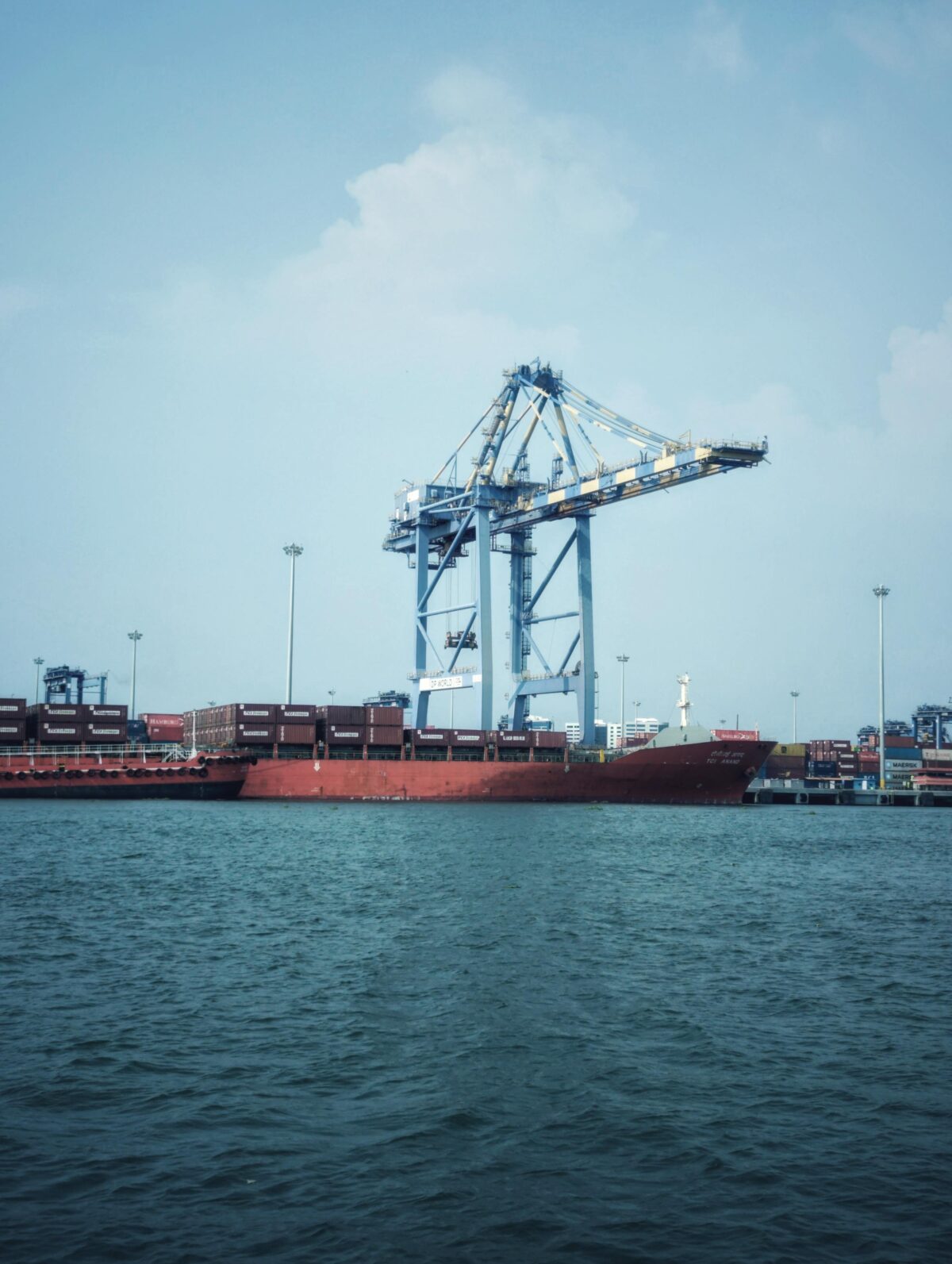
If the recent US-Iran war and Strait of Hormuz closure have shown us anything, it’s how critical the shipping and maritime sector is to global trade and energy security, facilitating the movement of goods across borders and offshore exploration. India has a robust shipping sector that extends far beyond the state-led Shipping Corporation of India. And a significant portion of listed maritime businesses fall into the smallcap category, supporting coastal logistics, offshore exploration, dredging, and port operations.
Movement of goods is just one aspect of the shipping and maritime landscape. Here’s a deep dive into how the sector is structured, how it operates, and why it’s worth keeping an eye on.
How the shipping industry is structured
The shipping and maritime industry is not a single sector, it is a collection of inter-related segments with very different economics.
- Vessels owners and operators: These companies own vessels and earn revenue by transporting cargo. Common vessels include bulk carriers that carry coal, iron ore, and grains. Tankers that carry crude oil and chemicals, container ships, and offshore support vessels.
- Chartering and leasing models: Some firms lease vessels out instead of running routes themselves. They work on a contract basis, via time charters (daily hire rate for a period), voyage charters (amount is paid per trip), and a bareboat charter (where the vessel is leased without a crew).
- Port and marine logistics: These companies support port and near-shore operations. This includes harbour tug operations, dredging, pilotage services, coastal cargo transport, and offshore oilfield support.
- Offshore oil and gas exploration support: Some marine companies are linked to the energy sector and earn revenue by supporting offshore oil exploration and production activities. They usually do not drill themselves, but provide vessels and marine services to oil companies like Oil and Natural Gas Corporation Ltd. or private energy firms.
How the shipping and maritime sector in India has evolved
India’s listed shipping sector has historically been anchored by Shipping Corporation of India Ltd., incorporated in 1961 as the country’s flagship public-sector carrier, and The Great Eastern Shipping Company Ltd. (incorporated in 1948 and listed in the 1970s), which is widely regarded as the leading private-sector operator. Over time, the industry evolved beyond traditional ocean transport to include offshore marine services, port logistics, coastal shipping, and specialised vessel support services, reflecting the diversification of maritime trade and energy-linked activities.
In recent years, policy initiatives such as Sagarmala, along with broader efforts toward port modernisation, development of coastal freight corridors, and shipbuilding incentives, have aimed to strengthen and enhance India’s maritime infrastructure.
- Great Eastern Shipping Company: India’s largest private sector shipping company; crude/product tankers, dry bulk carriers, offshore services through subsidiary Greatship.
- SEAMEC: Provides offshore support vessels, subsea services, and marine operations. The company owns and operates 4 multi-support vessels for the provision of diving services, manned and unmanned subsea operations and related activities.
- Shipping Corporation of India: India’s state-owned shipping line engaged in bulk carriers, tankers, liner/container services, offshore and passenger/coastal operations historically
- Transworld Shipping Lines: Formed in 1988, Transworld Shipping Lines Ltd. is a container feeder-owning and operating company involved in cargo shipping and marine transport.
- Essar Shipping: Incorporated in 2010, Essar Shipping Ltd. operates in fleet management and vessel chartering, with activities spanning both international routes and India’s coastal shipping. The company is involved in dry bulk shipping, logistics, and oilfield services.
- Sadhav: Sadhav owns and operates barges, tugs, and vessels and is involved in port services, coastal logistics, and offshore logistics. The firm also undertakes ship management for other owners.
- Chowgule Steamships: The company has historically been involved in vessel ownership and shipping operations, and operates one vessel for seaborne transportation of bulk cargo.
Revenue cycles in shipping
Shipping earnings depend heavily on how vessels are deployed: long-term vs short-term contracts.
- Long-term contracts: These are typically more predictable, and usually seen in deals with tankers working with oil majors, offshore support vessels, coastal cargo agreements and government and PSU-linked logistics. These contracts provide visibility and stability.
- Spot or short-cycle contracts: These tend to be more volatile and are common in dry bulk shipping, commodity-linked freight markets, and some container segments. With short-term contracts, rates fluctuate daily based on global supply-demand dynamics.
In general, a company’s earnings profile depends significantly on its mix of long-term contracts versus spot exposure.
The risks and rewards of shipping revenue cycles
Shipping is often compared to airlines because both are capital-intensive, fuel-sensitive, and deeply cyclical businesses. But shipping has a few structural advantages that can make it more rewarding, if timed well.
Ships are global mobile assets that can be redeployed to stronger markets, unlike aircraft which are tied to specific routes and regulatory constraints. Supply also adjusts slowly, since building new vessels takes years, which can create powerful upcycles when demand outpaces fleet growth. Shipping companies can lock in long-term charter contracts, giving some earnings visibility, and their capacity is less “perishable” than airline seats.
However, these advantages come with risks, too: periods of over-ordering can lead to oversupply, global trade slowdowns can hit demand abruptly, freight rates can collapse, and heavy debt/loans can worsen losses in a downturn. So the industry is not just cyclical, but often volatile.
Why it’s worth keeping an eye on shipping companies
India’s shipping ecosystem is entering a phase of structural support, driven by government-led initiatives. Programs like the Sagarmala Programme focus on port modernisation, coastal shipping, and multimodal connectivity, while the Maritime India Vision 2030 lays out an ambitious plan to expand fleet capacity, improve shipbuilding, and position India as a global maritime hub.
Within this push, smallcap shipping and marine service companies form an important operational backbone, supporting port activity, offshore energy, and coastal cargo movement. As infrastructure and policy support improves, these businesses are likely to play a more notable role in India’s trade and logistics chain in the years ahead.
Sources
List of Best Shipping Stocks in India
What is a Ship Charter? Explaining Time Charters vs. Voyage Charters